Relocation
How do I buy a home in the Edmonton region when I can’t visit more than once?
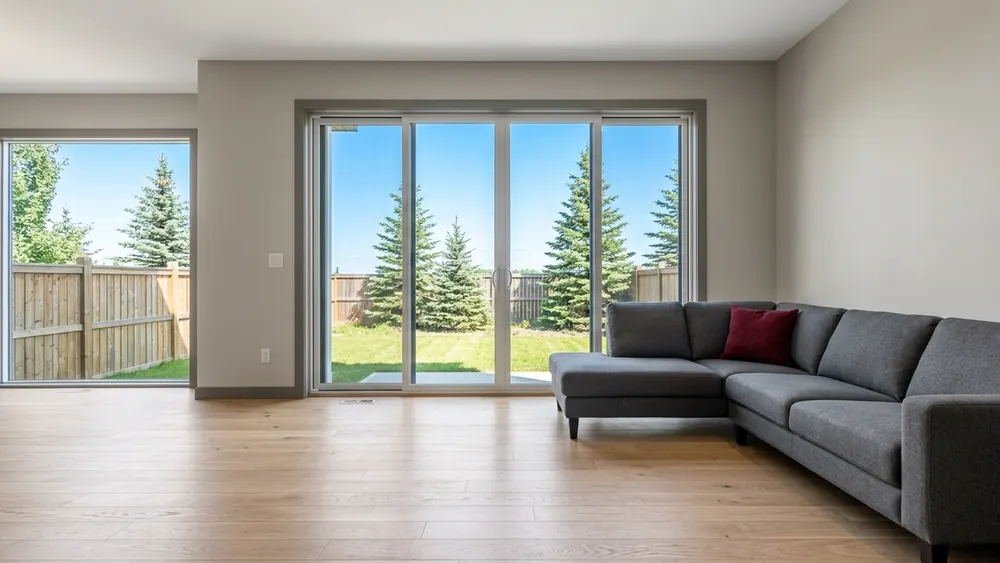
Do most of the narrowing before you travel. Confirm financing, set clear must-haves, review homes by video and documents, and check travel and services by address, then use your one visit to see a short list and confirm what video cannot show.
On this page
Narrow the search before you travel
You can buy a home in the Edmonton Region with one visit, but only if most of the work happens before you leave. That means confirming your budget with a lender, agreeing on must-haves, reviewing homes by video and documents, and checking travel and services address by address. The visit then becomes a focused trip to see a few homes you already understand, rather than a first look at a region you are still getting to know.
This matters because one visit leaves little room to recover from a slow start. If you arrive with a long, loose list, the trip turns into driving between neighbourhoods and communities, and the real decisions get squeezed into the final day. A tight shortlist, built from a distance, gives you time to look carefully, ask good questions, and walk away from a home that does not hold up in person. That freedom to say no is what makes a single trip workable.
The rest of this article lays out the order that usually works: what to settle before you look, how to review homes from afar, what to save for the visit, and who answers each question along the way. None of it depends on a particular community. It works the same way whether your shortlist ends up in Edmonton, in Spruce Grove, or on county land nearby. Use it as a sequence, not a script.
Settle money and must-haves first
Start with financing. A lender can tell you what applies to your situation and what documents they will need, and having that settled early means you can act when the right home appears. If you are moving from another province, ask the lender early about anything that changes when you buy in Alberta. Do not rely on what you remember from your last purchase, since it may not carry over.
Next, agree on must-haves as a household. Keep it to a handful of items you can actually check from a distance: home type, number of bedrooms, space or yard, and travel to work. Separate true needs from preferences, and rank them. When a video tour shows a home that misses a need, you can drop it quickly instead of spending part of your one visit on it. A ranked list also helps when two homes are close.
Finally, decide how wide to search. Some households want only the city, some want a nearby community such as Spruce Grove or Stony Plain, and some want land in Parkland County. You do not have to choose a community before looking, but you should know which settings are on the table, because each one brings different questions about services, condo documents, or wells and septic systems.
Reviewing homes well from a distance
Video walkthroughs are the core of a remote search, and they work well when they are structured. Ask for a slow, continuous walk through every room rather than a highlight reel. Ask to see the ceilings, the floors near windows and doors, the mechanical room, and the outside of the home from the street. Stop the tour to ask questions as they come up, and keep notes while you watch.
Documents fill in what video misses. For a condo, review the condo documents, fees, and reserve fund information. For an older bungalow, ask what has been updated and when, especially the roof, furnace, windows, plumbing, and electrical. For an acreage, ask for any well and septic records. Read these before the visit, so your time in person goes to the questions the paperwork raised.
Some things cannot be judged from a screen. The sound of a street at different hours, the light in a room, smells, and the actual travel time to work at your hours are all easier to judge in person. As you review each home, keep a running note of what still needs confirming. That note becomes the plan for your visit, and it keeps the trip focused on real gaps.
What to save for the visit
Plan your one trip so it confirms rather than discovers. Book your shortlisted homes in a sensible order, leave room for a second look at your top choice, and build in time to drive your real route to work. Before you travel, write down what you need to see at each stop, so nothing important depends on memory. These items usually earn a place on the visit plan.
- A second walkthrough of your top choice at a different time of day
- The drive between each shortlisted home and your workplace at your real hours
- Any part of the home the video skipped, such as the basement or garage
- A look at the street and nearby properties from outside the home
If an offer is likely during the visit, talk with a lender and a lawyer beforehand about conditions and timing. Plan for a home inspection, and ask the inspector what they can and cannot assess on the property you choose. Knowing these steps in advance keeps a fast decision from becoming a careless one, and it means the visit ends with a clear next step. If something about the property worries you after the inspection, ask the relevant professional before you move forward.
Who answers which question
A remote purchase involves several people, and each answers a different part of the decision. Keeping track of who gives the official answer stops small questions from turning into surprises after you have committed. This table is a simple way to organize it, and you can add a row for any question specific to your move. Keep it somewhere the whole household can see it.
| Question | Why it matters | Who to ask |
|---|---|---|
| What budget and financing apply to us? | Sets your search range and offer timing | A lender |
| What condition is this home in? | Video cannot show hidden problems | A qualified home inspector |
| What do the title and contract say? | Protects you before you commit | A lawyer |
| Which services reach this address? | Services vary from one address to another | The municipality or the county |
| What will insurance cover here? | Coverage can vary with the property type | An insurance agent |
John can help you build the question list, organize the video tours, and keep the real estate side moving, while each professional gives the official answer in their own area. Write down who answered each question and when. If two answers seem to conflict, go back to the source before you rely on either one, and ask for anything important in writing.
Mistakes that make one visit harder
The most common mistake is arriving with too many homes on the list. Seeing a long run of properties in a short trip blurs them together, and the details you needed to compare get lost. A second mistake is leaving the documents until after the visit, which leaves the most important questions unanswered at the moment you need to decide. Narrow the list and read the paperwork first.
Another mistake is trusting map estimates for travel or assuming services are the same across the region. Both vary by address. Check travel at the hours you would actually drive, and confirm services with the municipality or Parkland County for any home that makes your shortlist. It takes a little time before the trip and saves a lot of second-guessing after it. A short call to the county or the municipality can head off an unwelcome surprise.
Preparing for a first conversation
Before a first conversation, gather the basics in one place. It does not need to be polished, only clear enough that someone can help you narrow the region quickly and plan the video tours around your real needs. These four items are a good place to start, and each one takes only a few minutes to write down. Rough notes are fine at this stage.
- Your work location, move date, and how flexible that date really is
- Your budget range, once a lender has confirmed it in writing
- Your must-haves in order, with needs separated from preferences
- Any home you still need to sell, and where it stands in that process
With that list in hand, a conversation with John can turn quickly into a shortlist and a visit plan. John is a licensed Alberta real estate associate whose licence covers commercial, residential, and rural property, so a city home, a house in a nearby community, and an acreage can all stay on the table. What would you need to see in person before you felt ready to decide?
This article is general information about buying and selling property in Spruce Grove and the Edmonton Region, Alberta. It is not legal, tax, lending, valuation or inspection advice and does not predict prices or promise results. Confirm servicing, zoning and land use with the county or municipality, title and contracts with a lawyer, tax and valuation with an accountant, financing with a lender, and relocation benefits with your employer. John Acevedo, Royal LePage Noralta Real Estate.

Written by