Rural Land
How do I sell a large parcel of rural land outside Edmonton?
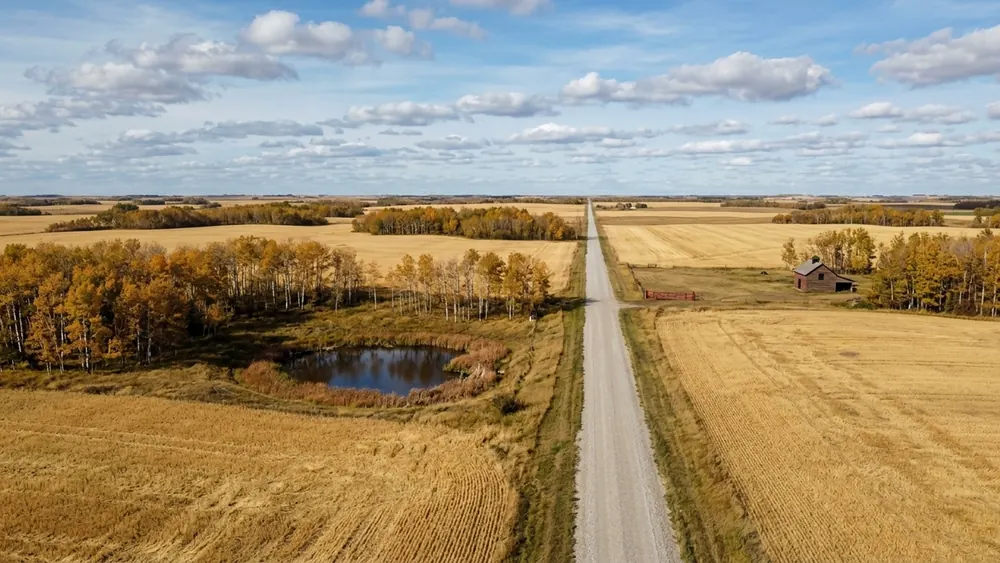
To sell a large parcel of rural land outside Edmonton, gather title information, any survey, and records on wells, septic, access and buildings, and send use questions to the county, so buyers get clear answers early in their review.
On this page
- Gather the records buyers will ask for first
- How selling land differs from selling a house
- Questions buyers of rural land tend to raise
- Documents to pull together before you list
- Who answers each question about the parcel
- Assumptions that slow a land sale down
- Your next step before putting land on the market
Gather the records buyers will ask for first
To sell a large parcel of rural land outside Edmonton, start by gathering what buyers will ask for: title information, any survey, records on wells and septic systems, details on access, and a description of any buildings on the land. Then be ready to send questions about what a buyer can do with the land to the county, which gives the official answer. Preparation is mostly about having answers ready before buyers ask.
This matters because buyers of land are usually buying a plan. They might want to build, run a business, keep the land as it is or change how it is used. Each plan raises its own questions, and a buyer cannot make a firm offer until those questions have answers. When the records are already organized, a buyer’s review can move more steadily, and fewer surprises tend to show up after an offer is accepted.
This article does not tell you what land is worth, what the county allows, or how a sale will be taxed. Those questions belong to the county, a lawyer and an accountant, and the answers depend on the specific parcel. What it does is walk through how selling land differs from selling a house, what to prepare, and who answers each question, so you can start with a clear picture of what is ahead.
How selling land differs from selling a house
When you sell a house, most buyers are judging the home itself: its condition, layout and updates. When you sell a larger parcel, buyers are often judging the land first. They want to know how they would get onto it, what it can support and what the county will let them do there. The house, if there is one, becomes one part of a bigger set of questions about the whole property.
The buyers themselves can look different too. Someone looking at land outside Edmonton may be planning a home, may already own land in the area, or may have a business use in mind. Each of those buyers will focus on different records. Thinking about who might buy the parcel helps you decide which information to have ready first and which questions you can expect to hear more than once.
Presenting land is also different. Photos of a field or a tree line say less than photos of a kitchen. Buyers rely more on maps, boundaries, access details and plain descriptions of what is there. Writing those descriptions accurately, without overstating what the land can be used for, matters a great deal. Any statement about permitted uses should come from the county, not from a guess about what a buyer might want to hear.
Questions buyers of rural land tend to raise
Expect buyers to ask about access first. How do you reach the parcel, and does that access work in every season? After that, many buyers ask about water and septic, whether existing systems are in place, and what records exist for them. If you have the answers or know where they are kept, write them down now. If you do not, note the question and the professional who could answer it.
Buyers will also ask about title. They may want to know whether anything registered on title affects what they can do, such as access arrangements or other registrations. A lawyer reviews title and explains what those items mean. You do not need to interpret them yourself, but it helps to know they exist before a buyer’s lawyer raises them. Ask your own lawyer to walk you through the title early in the process.
Finally, buyers will ask what they can do with the land. This is the question sellers are most tempted to answer from memory, and it is the one that most needs an official source. Point buyers to the county for use and development questions. If you have past correspondence or approvals from the county for the parcel, gather those too, since they show what was confirmed and when it was confirmed.
Documents to pull together before you list
Start a folder, paper or digital, for everything connected to the parcel. The aim is to know what you have, what is missing and who might hold a copy. It is fine if the folder has gaps at first. Gaps are simply questions to answer, and finding them before you list gives you time to answer them calmly rather than under pressure from a buyer’s conditions.
- Title information, and any registrations a lawyer has explained to you
- Any survey of the parcel, along with notes on where the boundaries sit
- Records on wells and septic systems, including repairs and any past testing
- Details on access, existing buildings, and any correspondence with the county
If a record is missing, write down where it might be. A previous owner, a surveyor, a well or septic professional, or the county may hold a copy. Some records may never turn up, and that is something to discuss with your lawyer before listing. What matters is that the information you share is accurate, and that you can say clearly where each piece came from and what you do not know.
Who answers each question about the parcel
Many questions about rural land belong with someone other than your real estate associate. Matching each question to the right source keeps the information you share accurate. Use the table below as a starting list and add rows for anything particular to your parcel. It names the kind of source to ask rather than a specific office or firm, because the right contact depends on the property and the question.
| Question | Why buyers ask | Who to ask |
|---|---|---|
| What can a buyer build or do on this land? | Most land buyers have a specific plan in mind | The county |
| What is registered on the title? | Registrations can affect use and access | A lawyer |
| Where exactly are the boundaries? | Fence lines and maps may not match | A surveyor |
| What condition are the well and septic in? | Buyers and lenders want records and inspections | Qualified well and septic professionals |
| How will the sale affect my taxes? | Tax questions depend on your own situation | An accountant |
The table is a starting point, not a complete list. Some rows may not apply to your parcel, and you may think of questions that are not here. The method is what matters: for every question, decide who is qualified to answer it before you or a buyer rely on the answer. Keep a short note of each answer, who gave it and when, alongside your other records for the land.
Assumptions that slow a land sale down
One common assumption is that buyers already know what they can do with rural land. Many do not, and some will lean on whatever the seller says. Another is that an old survey still matches the land today, or that a fence line marks the boundary. A third is that past uses of the land show what the county allows now. Each can be true, but none should be assumed without checking.
Sellers also sometimes assume land sells on the same rhythm as a house. Land buyers may need more time for their own research, financing and conversations with the county, and that can shape how you plan the rest of your move. No one can say how long any sale will take, so build your plans around flexibility rather than a fixed date, and ask your lawyer to explain the conditions in any offer you receive.
Your next step before putting land on the market
Before a first conversation about selling, spend an hour writing down what you know about the parcel and what you are unsure about. Keep the list honest and specific. It does not need to be complete. The aim is to see where the open questions are, so you can decide which ones to answer before listing and which ones to point buyers toward the county or a professional.
- How you reach the parcel, and anything unusual about access in each season
- Which buildings, wells or septic systems are on the land, with any records
- Any survey, title documents or correspondence with the county you can find
- Questions people have asked you about the land that you could not answer
If you would like help putting those questions in order for a parcel outside Edmonton or around Spruce Grove, you are welcome to bring your list to John Acevedo, a licensed Alberta real estate associate whose licence covers commercial, residential, and rural property. You do not need every record in hand first. Which question about your land do you think a buyer will ask first, and do you know who can answer it?
This article is general information about buying and selling property in Spruce Grove and the Edmonton Region, Alberta. It is not legal, tax, lending, valuation or inspection advice and does not predict prices or promise results. Confirm servicing, zoning and land use with the county or municipality, title and contracts with a lawyer, tax and valuation with an accountant, financing with a lender, and relocation benefits with your employer. John Acevedo, Royal LePage Noralta Real Estate.

Written by