Commercial Sales
What’s different about buying a commercial retail property in Edmonton compared with a house?
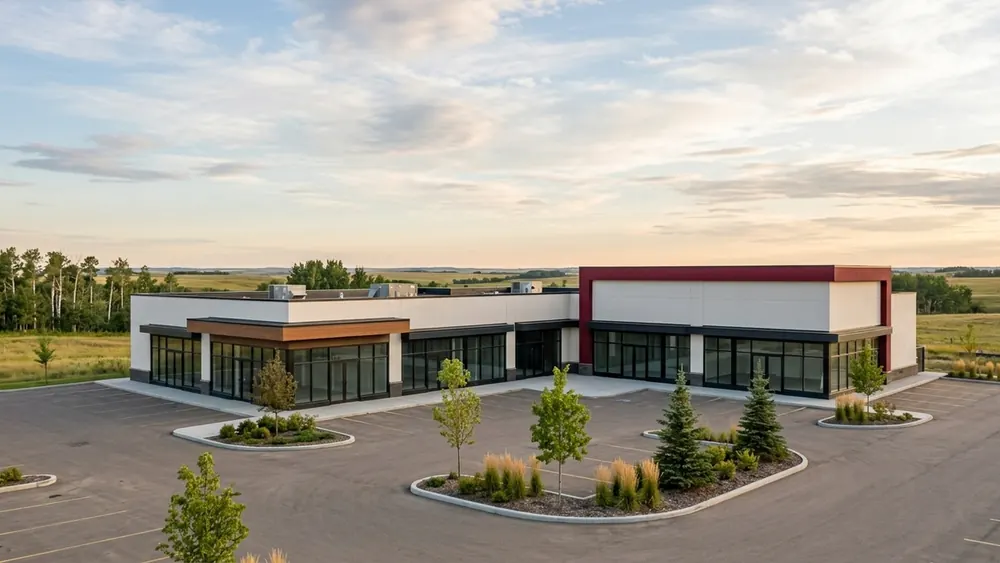
Buying a retail property means judging the space for a business use, confirming what the municipality allows there, reviewing any leases, and expecting a closer lender review than a home purchase usually brings.
On this page
How a retail purchase differs from a home
The biggest difference is the question you are answering. With a house, you are mostly asking whether you want to live there. With a commercial retail property in Edmonton, you are asking whether the space works for a business, whether that use is allowed at that address, what any existing leases commit you to, and whether a lender will finance it on terms that make sense. Those questions come in a different order, and more people help answer them.
This matters because habits from buying a home can lead you astray. A home buyer might fall for a layout and work out the details later. With retail space, the details are the decision. A beautiful unit is not much use if your intended use is not permitted, the parking does not suit your customers, or the financing takes far longer than your plans allow. Sorting those questions first keeps you from committing to something that does not fit.
None of this makes a retail purchase out of reach. It simply means doing more of the homework before you make an offer rather than after. If you go in expecting more documents, more conversations and a closer lender review, the process feels organized instead of surprising, and you can compare spaces on the things that actually matter for your plans.
Start with how you plan to use it
Before you look at listings, write down how you plan to use the space. Will you run your own business there, lease it to someone else, or do a bit of both? A buyer who plans to occupy the space cares about layout, frontage, signage options and room for customers. A buyer who plans to lease it cares more about existing tenants, lease terms and how easily the space could be leased again. The same property can look very different through those two lenses.
Your intended use also drives the first question for the municipality. The City of Edmonton answers zoning and permitted-use questions for addresses in the city, and the City of Spruce Grove does the same for its own addresses. Rather than assuming a space can be used the way the previous occupant used it, confirm it for your own plans. Zoning can change, and a use that suits one address may not be allowed at another nearby.
Write your answers down in plain language. A short note that says what the business does, how many people will visit, what hours you expect and what the space needs to have will make every later conversation faster. It also helps John focus a search on spaces that could actually work, instead of touring units that fail on the first practical question.
Leases, tenants and what you inherit
A house usually comes empty on closing day. A retail property may come with tenants already in place. If it does, their leases become part of what you are buying. You will want to read each lease carefully, or have your lawyer read it, to understand the term, renewal options, who pays which costs and what the landlord is responsible for. Those terms can shape your plans for years, so they deserve as much attention as the building itself.
Even if you plan to occupy the space yourself, ask whether any part of it is leased and when those agreements end. A unit inside a larger building may also come with shared costs, rules or an association that manages common areas. Ask for the documents that describe those arrangements and read them before you commit, the same way a condo buyer reads the condo documents before buying a home.
Your lawyer is the right person to explain what the leases and any shared agreements mean for you. John can help you request the documents, keep track of what has arrived and what is still outstanding, and make sure the questions raised by the leases are answered before conditions come due. Getting those answers in writing keeps the process clear for everyone.
What to inspect and confirm on the property
Inspection looks different for a commercial space. Beyond the general condition of the building, you are checking whether the systems and layout suit your use. Ask a qualified inspector what they can review and what may need another qualified professional. Some of the items worth asking about are listed below, but the right list depends on the building and your plans.
- The age and condition of the roof, heating, cooling and electrical systems
- Parking, loading access and how customers would reach the front door
- Signage options and any restrictions that come with the building or the site
- Washrooms, accessibility features and any upgrades your use might require
Ask the seller for maintenance records and any history of repairs, the same way you would for a home but in more depth. If something on the list raises a question you cannot answer, write it down and take it to the right person: the municipality for use and permit questions, an inspector for condition, and your lawyer for anything in the agreement.
Who answers which commercial questions
A commercial purchase brings in more professionals than most home purchases, and knowing who answers what saves time. The table below sorts the common questions by the person or office that can give a reliable answer. John handles the real estate side: finding suitable spaces, asking for documents and keeping the purchase moving. Use it as a starting list, then add any questions specific to your business.
| Question | Why it matters | Who to ask |
|---|---|---|
| Is my intended use allowed at this address? | A space you cannot use for your business does not fit | The City of Edmonton or the municipality |
| How will this purchase be financed? | Commercial lending often looks closer than a home mortgage | A lender |
| What do the existing leases commit me to? | Lease terms may carry over to you as the new owner | A lawyer |
| What are the tax and GST effects of buying? | Tax treatment can differ from buying a home | An accountant |
| What condition are the building and its systems in? | Repairs can change your plans and your budget | A qualified commercial inspector |
Keep a simple record of who answered each question and when. Rules, rates and requirements change, so an answer from one month may need checking again later. A written record also helps if a question comes up a second time from a lender or your lawyer, and it saves you paying twice for the same answer.
Why commercial financing often takes longer
Financing a commercial property is usually a different conversation from a home mortgage. A lender may look closely at the property itself, the use you plan, any leases in place and your business finances. That review can take longer, and the documents a lender asks for may be quite different from what you gave for a home. Talk with a lender early, before you start making offers, so you understand what they will need and roughly how the process works.
Build that review into your timeline and into the conditions of any offer. A condition period that would feel comfortable for a house may be too short for a retail property. Your lawyer and lender can help you judge what is realistic for your situation, and John can help shape the offer around those answers so you are not racing a deadline you cannot meet.
Getting ready to look at retail space
Before a first conversation, a little preparation goes a long way. You do not need every answer, but a few notes help turn a general search into a focused one. Start with the items below, and add anything specific to your business. Bring the list to a first meeting so the search starts from your real needs.
- A plain description of your business use, hours and the customers you expect
- The areas of Edmonton or Spruce Grove you would consider for the space
- Whether you plan to occupy the space, lease it out or do both
- The names of your lender, lawyer and accountant, or a note that you need them
If you are weighing a retail property in Edmonton, or comparing it with space in Spruce Grove or elsewhere in the Edmonton Region, John is a licensed Alberta real estate associate whose licence covers commercial, residential, and rural property, and can help you sort the questions in order. What is the first thing your business needs the space to do?
This article is general information about buying and selling property in Spruce Grove and the Edmonton Region, Alberta. It is not legal, tax, lending, valuation or inspection advice and does not predict prices or promise results. Confirm servicing, zoning and land use with the county or municipality, title and contracts with a lawyer, tax and valuation with an accountant, financing with a lender, and relocation benefits with your employer. John Acevedo, Royal LePage Noralta Real Estate.

Written by