Rural Land
What should I check before buying an acreage near Spruce Grove?
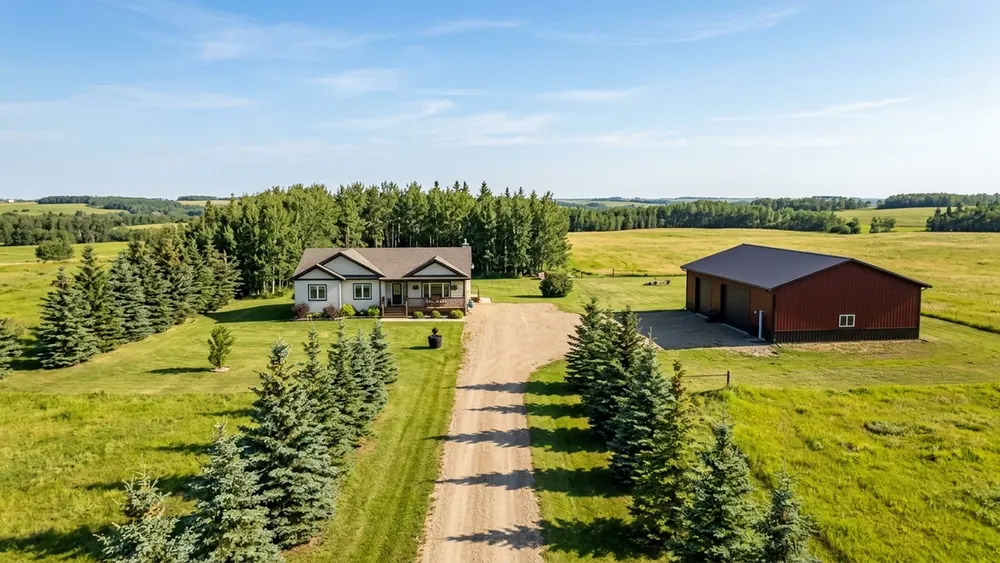
Before buying an acreage near Spruce Grove, check the water supply, the septic system, road access, servicing, title, and what the county allows on that parcel, then confirm each answer with the county, a lawyer and qualified professionals before you offer.
On this page
- Start with water, septic, access and county rules
- Questions about the land and its buildings
- Questions about water, septic and servicing
- What the county decides, and what it does not
- How an acreage offer differs from a town offer
- Assumptions that catch acreage buyers off guard
- What to gather before your first conversation
Start with water, septic, access and county rules
Before you buy an acreage near Spruce Grove, check five things on that specific parcel: where the water comes from, how the septic system works and what shape it is in, how you get to the property in every season, which services reach it, and what the county allows you to do there. Get each answer from the source that can confirm it, not from a listing description or a neighbour’s memory.
This matters because an acreage changes who looks after what. In town, many services come with the lot, and the road out front is someone else’s job. On county land, more of that may become yours to manage. A house in Spruce Grove and a house on an acreage in Parkland County can look alike in photos and still raise very different questions once you ask how each property actually runs day to day.
This article is a list of questions, not a set of answers. It does not tell you what any county requires, what a well should produce, or what a septic system needs. Those details vary by property and change over time, and they belong to the county and to qualified professionals. What it does give you is an order to work in and a name to attach to each question, so nothing important waits until after you commit.
Questions about the land and its buildings
Start with the property itself. Walk it, look at the buildings, and write down anything you would want explained. A listing gives you a summary, and a summary leaves things out. The questions below are a starting list for the land and what sits on it. Ask the seller for whatever records exist, and note which questions still need a professional to answer them before you rely on the answer. Photos help too, since they let you point to exactly what you mean when you ask.
- Where the property lines sit, and whether a current survey exists for the parcel
- How the driveway and road access hold up through spring thaw and winter
- What condition the house, shop and outbuildings are in, and what has been updated
- Whether any part of the land drains poorly, holds water or has been filled
Questions about water, septic and servicing
Water and septic are where buyers coming from town often have the least practical background, so take extra time here. You do not need to understand how a well or septic system works before you start. You need to know which records to request, which inspections to plan, and who is qualified to explain the results. Bring these questions to the seller first, then to the professionals who can confirm the answers.
- What records exist for the well, including any past testing or repairs
- What records exist for the septic system, and when it was last serviced
- Which qualified well and septic professionals you will ask to inspect each system
- Which utilities reach the property, such as power, natural gas and internet service
- What your lender and insurance agent will want to know about the water and septic
What the county decides, and what it does not
Parkland County, like the other counties around Spruce Grove, sets its own rules for what you can build, change or run on rural land. Those rules are the county’s to explain. If you plan a shop, a second building, animals, a home business or changes to the land, write that plan down and ask the county whether it fits that specific parcel. Do not treat what the current owner has done as proof that it is allowed. Ask about your plan, on that parcel, in your own words.
It helps to separate two questions that often get blended together. The first is what the county allows on the parcel. The second is what the land can practically support, such as access, drainage and room for the septic system. The county answers the first. A surveyor and qualified well and septic professionals help with the second. Your plan needs a clear answer on both before it is really a plan.
A lawyer has a separate role. Title can carry registrations that affect what you can do, and a lawyer reviews title and explains what those registrations mean for you. Ask before you remove conditions, not after. If anything in the title or the county’s answer surprises you, that is useful information. It is far easier to adjust an offer, ask more questions or walk away before you commit than after possession.
How an acreage offer differs from a town offer
Buying a house in town and buying an acreage follow the same broad steps: you find a property, make an offer, work through your conditions and take possession. The difference is how much you need to learn inside those steps. An acreage can add inspections, records and conversations that a town lot would not need, so the time you leave for your conditions matters. How much time is right is a question to settle before you write the offer.
Financing and insurance can also look different. A lender may ask about the water, septic, access or outbuildings before approving a mortgage, and an insurance agent may ask similar questions. Talk to both early, before you settle on a particular parcel. Their questions often point to the same items your inspections will cover, and hearing them in advance helps you plan which reports to order and when to order them.
On an acreage, the house is only part of what you are buying. I like to sort out water, septic, access and county questions first, then talk about the house.
Assumptions that catch acreage buyers off guard
A common assumption is that a property with an existing shop, extra building or business on it must have been approved for that use. Another is that an old well or septic record still describes the system today. A third is that the road into the property will be maintained the way a town street is. Any of these can turn out to be true, but none should be assumed without checking with the right source. Each one is easy to confirm before you buy and much harder to fix afterward.
Buyers also sometimes assume that two acreages near each other share the same answers. Neighbouring parcels can differ in access, drainage, servicing and what the county allows, and parcels in different counties can differ even more. Compare each acreage you are considering on the specific facts of that property, not on general impressions or what the last one you saw was like. Let the records lead the comparison.
What to gather before your first conversation
Before you start touring acreages, write down how you plan to use the property. If you want a shop, room for animals, space for a large garden or simply more distance between you and the next house, say so. Your plan shapes which questions matter most on each parcel, and it helps you rule out properties early instead of after you have paid for an inspection. It also gives the county, your lender and each professional the same starting point, so their answers line up.
Next, start a short list of the people you will need: a lender, a lawyer, a home inspector, qualified well and septic professionals, an insurance agent and, if the boundaries are unclear, a surveyor. You do not need to call them all at once. Knowing who handles each question means you can move steadily when the right acreage comes up, without guessing at answers that belong to someone else. Keep their answers together in one folder, with the date each one was given.
If you would like help putting those questions in order for a specific acreage near Spruce Grove or Edmonton, bring your list to John Acevedo, a licensed Alberta real estate associate whose licence covers commercial, residential, and rural property. That means the same conversation can cover the acreage and the house you may be selling in town. Which question about the parcel you are considering feels least clear right now, and who is the right person to answer it?
This article is general information about buying and selling property in Spruce Grove and the Edmonton Region, Alberta. It is not legal, tax, lending, valuation or inspection advice and does not predict prices or promise results. Confirm servicing, zoning and land use with the county or municipality, title and contracts with a lawyer, tax and valuation with an accountant, financing with a lender, and relocation benefits with your employer. John Acevedo, Royal LePage Noralta Real Estate.

Written by