Relocation
I’m being transferred to Edmonton. Should we live in the city or in Spruce Grove?
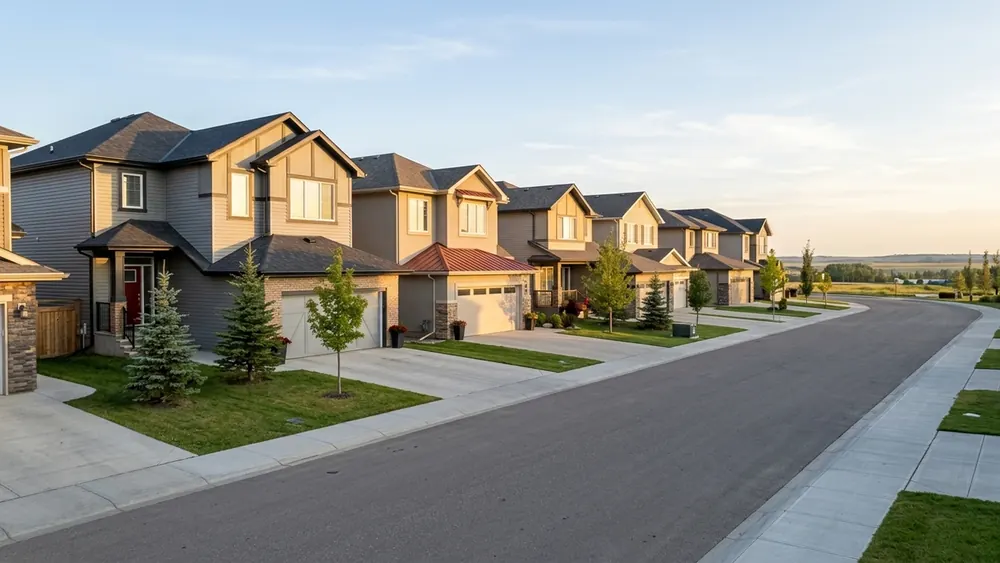
Neither answer is right for every household. Decide what matters most to yours, such as travel to work, home type, land, and space, then compare actual homes in the city and in Spruce Grove against that list before one focused visit.
On this page
The short answer depends on your list
There is no single right answer to the city or Spruce Grove question, and anyone who gives you one without asking about your household is guessing. The useful approach is to write down what matters most first: travel to work, the type of home you want, how much space and yard you need, and how you plan to live day to day. Then you compare real homes in each place against that list, instead of comparing the places themselves.
This matters because a transfer usually comes with a fixed date and limited time to look. If you start by browsing listings across the whole Edmonton Region, you can spend weeks on homes that never fit. A short, honest list keeps the search narrow, makes video tours more useful, and lets one visit do real work. It also keeps you from choosing an area based on a first impression from a map or a single drive. Narrowing early is not about rushing; it is about spending your limited time well.
This article will not tell you which community wins, and it does not describe any community by who lives there. It walks through the questions that usually decide the choice, who answers each one, and how to test your shortlist from a distance. The goal is simple: by the time you arrive, you should be choosing between a few homes you already understand, not starting from scratch in a region you are still learning.
Start with what your household needs
Before you look at a single listing, sit down with everyone involved in the move and agree on the basics. Keep the list short and specific. Vague wishes are hard to test from a distance, while plain needs can be checked against any home in the city, in a nearby community, or on county land. These four questions usually shape the rest of the search, so answer them first and write the answers down. If two people disagree on an item, note both views now rather than during the visit.
- Where you will work, and how often you will make that trip each week
- What type of home you want, from a condo to a detached house
- How much indoor space, yard, or land your household actually needs
- What budget range a lender has confirmed before you start viewing homes
Questions to answer for each address
Once you have your list, the comparison happens address by address rather than community by community. Services, travel times, and property details vary from one street to the next, so general impressions are not much help. For each home that makes your shortlist, work through questions like these, and note beside each answer who gave it to you and when, so you can go back to the source if something changes. A simple shared spreadsheet works well for this.
- How long the daily trip to work takes at the hours you would travel
- Which municipal services reach the address, confirmed with the municipality
- What condition the home is in, confirmed later by a qualified home inspector
- Whether the property sits inside a city boundary or on county land
- What ongoing costs come with it, such as condo fees, utilities, and insurance
How the setting changes your questions
Edmonton and Spruce Grove are separate municipalities, each with its own services, rules, and property tax process. That alone is a reason to compare specific homes rather than general reputations. A question you answered for one address in the city may have a different answer for a similar home in another municipality, so it is worth asking the City of Edmonton or the City of Spruce Grove directly when a detail matters to you. Official municipal sources are the place to confirm services and local rules.
The mix of home types also varies from one listing to the next. Across the region you will find condos, older bungalows, newer detached homes, and acreages on county land, and each comes with its own checklist. A condo means reading the condo documents, fees, and reserve fund information. An older bungalow means asking about the roof, furnace, windows, plumbing, and electrical. Knowing which type you want often narrows the search more than choosing a community first.
If your list includes land or a large yard, county property may come into the picture alongside the two cities. An acreage can mean handling your own water, septic, and road access, which brings a different set of questions. Parkland County is the authority on its own rules, and qualified well and septic professionals can explain what a specific property has. It is worth deciding early whether land is a real need for your household or simply a nice idea.
What a transfer changes about the choice
A transfer adds a deadline, and a deadline changes how you should search. You may not have time to rent first and decide later, and you may be selling a home in another province at the same time. That is why the order of decisions matters: budget and financing first, then must-haves, then the shortlist, then the visit. A lender answers the financing questions, and any relocation benefits or allowances come from your employer, not from your real estate associate. If you are unsure what your employer covers, ask before you plan around it.
It also helps to separate what can be learned from a distance and what cannot. Floor plans, video walkthroughs, and documents can tell you a lot about a home. The feel of a street, the noise at different hours, and the real travel time to work are easier to judge in person. Plan your one visit around those gaps, so the trip settles the questions that video and paperwork could not answer. Anything you could not see clearly on video belongs on that visit plan.
Tell me where you’ll be working and what kind of home you need. We’ll narrow the region from there, so your one visit is spent on homes that already fit.
Common assumptions that lead to surprises
One common assumption is that a community you have heard about, or that a colleague chose, will suit your household too. Another is that travel times on a map match what you will experience at the hours you actually drive. Neither holds up reliably. Check travel at your real times, and test every recommendation against your own list rather than someone else’s, because their needs and yours are rarely the same.
A third surprise comes from treating every home in the region as if the same rules apply. Services, condo rules, and county requirements vary by address, and a detail that was simple in your last home may work differently here. When something matters to you, such as a home business, a large garage, or space to park a trailer, ask the municipality or the county directly before you offer, and keep a note of who answered. A short written answer is worth more than a confident guess.
Your next step before the first conversation
Before you start viewing homes, write down your work location, your move date, the home types you would consider, and your must-haves in order. Add your budget range once a lender has confirmed it, and note whether you also need to sell where you live now. This short page becomes the filter for every listing you see and every video tour you book, and it keeps the whole household working from the same list. Update it as you learn, and share the latest version with everyone involved.
Then gather the questions you cannot answer yet, such as travel at your working hours, services at a specific address, or what the county allows on a piece of land. Next to each one, note who gives the official answer: the municipality, Parkland County, a lender, a home inspector, or your employer. Having that list ready makes a first conversation shorter and far more useful, because the time goes to your real decisions.
If it helps, bring that list to John. John is a licensed Alberta real estate associate whose licence covers commercial, residential, and rural property, working from Spruce Grove across Edmonton and nearby county land. That means one conversation can cover a city home, a house in a nearby community, or an acreage without starting over. Bring what you have, even if it is unfinished. Which item on your list would you most like to test first?
This article is general information about buying and selling property in Spruce Grove and the Edmonton Region, Alberta. It is not legal, tax, lending, valuation or inspection advice and does not predict prices or promise results. Confirm servicing, zoning and land use with the county or municipality, title and contracts with a lawyer, tax and valuation with an accountant, financing with a lender, and relocation benefits with your employer. John Acevedo, Royal LePage Noralta Real Estate.

Written by