Rural Land
Who do I ask about what I’m allowed to do on county land in Parkland County?
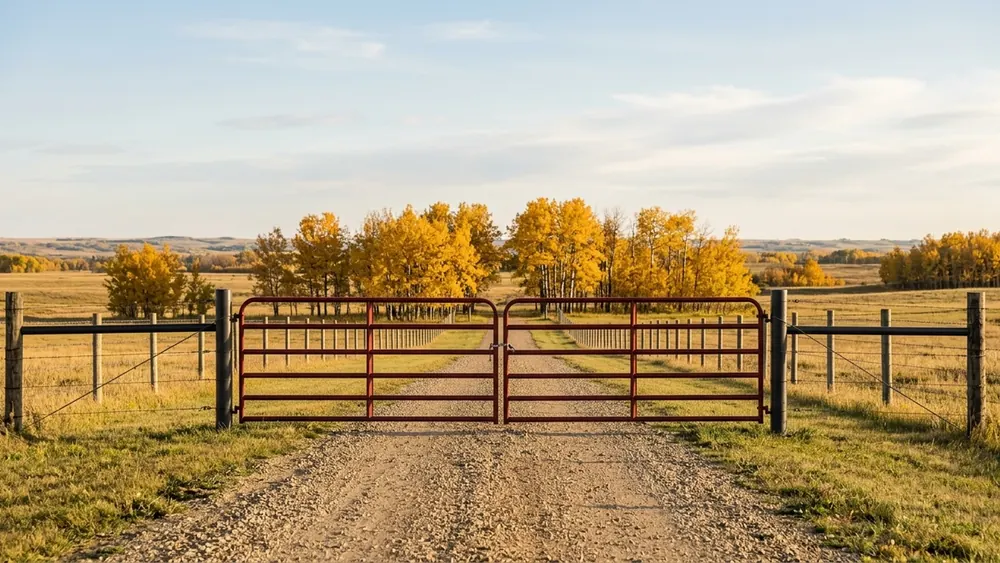
Ask Parkland County directly about what you are allowed to do on county land, then bring in a lawyer for title questions and qualified professionals for survey, well and septic questions. Write down your plan, the parcel, who answered and when.
On this page
- Start with the county, then bring in professionals
- Why the plan comes before the question
- What the county answers about rural land
- Questions that belong with other professionals
- What to write down before you call anyone
- Matching each land question to the right source
- Common assumptions about county land
- Your next step with a piece of county land
Start with the county, then bring in professionals
If you want to know what you are allowed to do on county land in Parkland County, ask Parkland County. The county is the authority on its own rules for building on, changing and using land, and it gives the official answer for a specific parcel. For questions the county does not answer, such as what is registered on title or the condition of a well, you turn to a lawyer or a qualified professional.
This matters because the answers you hear elsewhere are not official. A neighbour, a previous owner, a listing description or an online forum may sound sure, and each may be describing a different parcel, an old rule or a situation that does not match yours. Building a plan on an unofficial answer can lead to costly surprises after you have bought the land or started work on it.
This article does not tell you what Parkland County allows. Rules change, and they depend on the parcel. Instead, it explains how to frame your question so you get a useful answer, who answers the questions the county does not, and what to write down along the way. Whether you are buying an acreage near Spruce Grove or already own land, the method is the same.
Why the plan comes before the question
The county can only answer the question you ask. If you ask whether you can build a shop, the answer may depend on where, how large and what for. So before you call, write a short description of what you want to do: build, add a building, run a business from home, keep animals, change the land or divide it. The clearer the plan, the more useful the answer you get back.
Bring the parcel’s details too. The county will want to know exactly which property you mean, so have the legal land description or address from the title or listing on hand. If you are only considering a purchase, say so. Before you buy is often the most useful time to ask, because you can still adjust an offer, add a condition or walk away without having committed.
Before you fall for a piece of land, write down what you want to do with it. Then ask the county whether that plan works on that parcel.
What the county answers about rural land
Questions about what you can build, where you can build it, how land can be used and what permits a project needs belong with the county. So do questions about how a parcel is classified for use and whether a plan would need the county’s approval before work starts. County staff can tell you what applies to your property and what the process looks like from there.
Ask for answers you can keep. A note of the date, the person you spoke with and what they said is a good start. Where the county offers written confirmation, ask how to get it. Written answers help you, your lawyer and your lender work from the same information, and they help a future buyer understand what was confirmed while you owned the land.
Some questions may involve more than one department, and the first person you reach may point you elsewhere. That is normal. Keep asking until you reach someone who can answer for your parcel, and keep your notes in one place. If you are comparing land in Parkland County with land in another county around Spruce Grove, remember that each county answers only for its own land.
Questions that belong with other professionals
Not every land question is a county question. A lawyer reviews title and explains registrations that may affect what you can do, such as access arrangements. A surveyor can confirm where the boundaries are and where existing buildings sit in relation to them. Qualified well and septic professionals assess the systems on the property. Each of these answers can shape your plan as much as a county answer does.
A lender and an insurance agent belong on the list too. A lender may have its own questions about rural property, the water supply or outbuildings before approving financing, and an insurance agent may ask about the same things. If you plan a home business, an accountant can help with the tax side. None of these people replace the county, and the county does not replace any of them.
What to write down before you call anyone
A short written summary makes every conversation faster and clearer. It also means you ask each person the same question in the same way, so you can compare answers properly. Keep it to a page. You can add notes as answers come in, and the page becomes a record of what you checked, who confirmed it and what is still open on the parcel.
- A plain description of what you want to do on the land
- The parcel’s legal land description or address, taken from the title or listing
- What is on the land now, including buildings, wells, septic and access
- Your situation, including whether you are buying, selling or already own the parcel
Once you have that page, decide the order. For a purchase, many people start with the county, then the lawyer and the professionals, so that a clear no on the plan can save the cost of inspections. For land you already own, the order may depend on what you want to change first. Either way, write down who answered and when, and keep the page with your property records.
Matching each land question to the right source
The table below matches common land questions to the people who answer them. It names the kind of source rather than a specific office or firm, because the right contact depends on the parcel and the question. Use it as a starting list, add rows for anything particular to your land or your plan, and note beside each row who you actually spoke with.
| Question | Why it matters | Who to ask |
|---|---|---|
| Can I build or add a building here? | Your plan depends on the official answer | Parkland County |
| What can this land be used for? | Past use does not confirm what applies now | Parkland County |
| What is registered on the title? | Registrations can affect use and access | A lawyer |
| Where are the boundaries and buildings? | Fences and buildings may not match the lines | A surveyor |
| What condition are the well and septic in? | Records and inspections inform your plan | Qualified well and septic professionals |
No table can cover every situation, and some rows may not apply to your property. The point is the habit: before you rely on any answer, ask whether the person giving it is the one responsible for it. If not, ask who is. That habit helps you avoid the surprises that come from relying on the wrong source, and it keeps your notes worth rereading later.
Common assumptions about county land
One assumption is that whatever the current owner does on the land must be allowed. Another is that a nearby parcel’s shop, business or second building means you can do the same. A third is that rules stay fixed once you buy. Each of these can lead you astray. Neighbouring parcels can be treated differently and rules change over time, so ask about your plan on your parcel.
Buyers moving from a town lot in Spruce Grove or a home in Edmonton sometimes assume county land works like a larger backyard. In practice, rural land can raise different questions about water, septic, access and use than a town lot does. That is not a reason to avoid it. It is a reason to ask the right people early, before the plan and the purchase get ahead of the answers.
Your next step with a piece of county land
Before your next conversation about a parcel, write the summary page described above, even if it is rough. Include the plan, the parcel, what is on it now and your situation. Then mark which questions belong with Parkland County and which belong with a lawyer, a surveyor, a lender or well and septic professionals. You will come away with a clear view of what to ask and who to ask.
If you would like help sorting those questions into an order before you commit to land, bring your summary to John Acevedo, a licensed Alberta real estate associate whose licence covers commercial, residential, and rural property. John can help with the real estate side while the county and the professionals give the official answers. Which part of your plan are you least sure the county will allow, and have you asked yet?
This article is general information about buying and selling property in Spruce Grove and the Edmonton Region, Alberta. It is not legal, tax, lending, valuation or inspection advice and does not predict prices or promise results. Confirm servicing, zoning and land use with the county or municipality, title and contracts with a lawyer, tax and valuation with an accountant, financing with a lender, and relocation benefits with your employer. John Acevedo, Royal LePage Noralta Real Estate.

Written by